
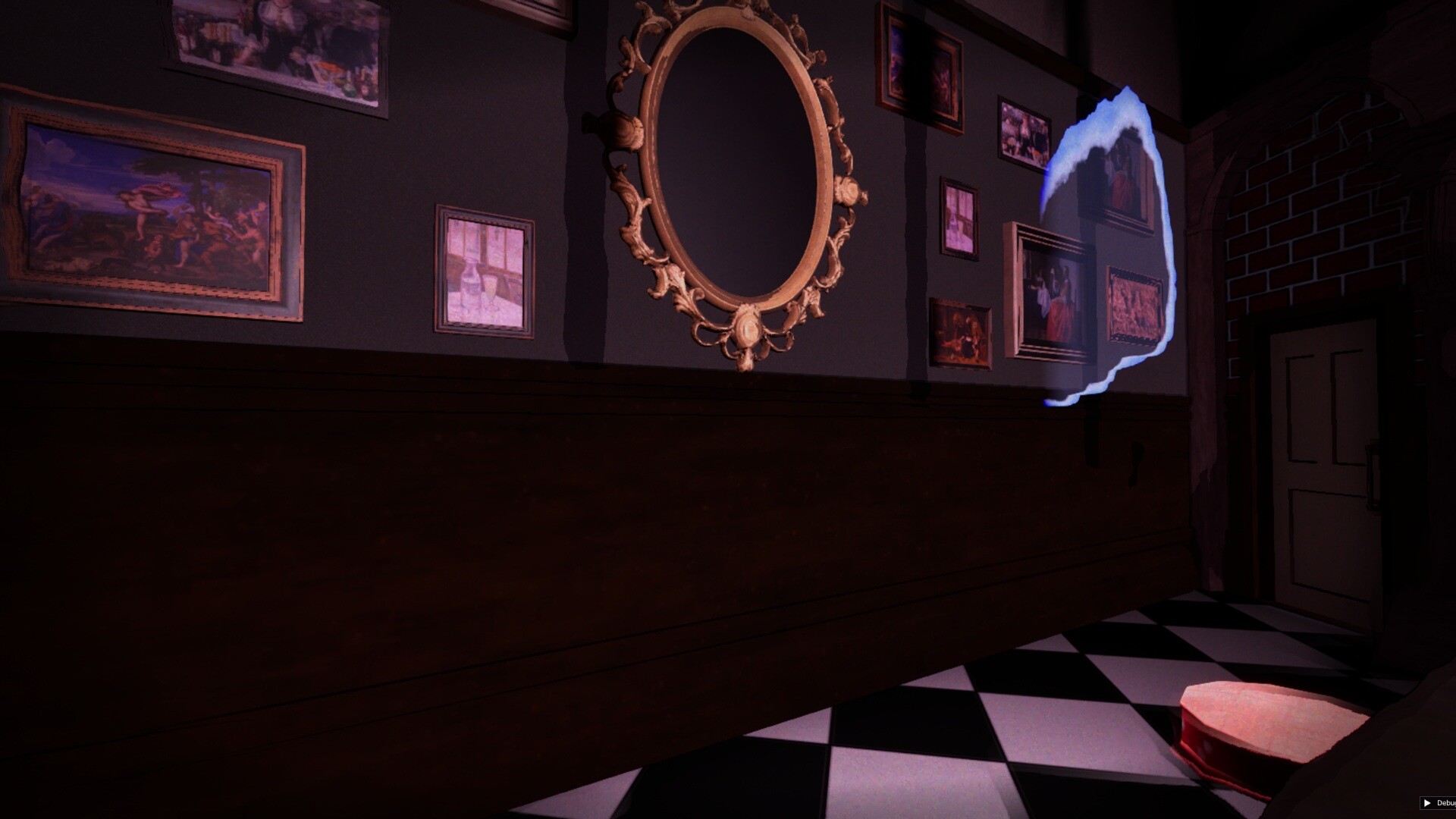
Drunken Goddess Reflux does not have a price. Not a hidden one, not a regional one, not an estimate the studio let slip — the Steam page simply has no purchase section. It says coming soon, gives a date, and stops.
That is an uncomfortable thing for a page about price to say, so this one spends its length on the more useful question: what happens between now and the moment a number appears.
What the store page currently shows
Three absences, and each one narrows what the launch will look like.
No buy button. There is no edition selector, no "add to cart", no pre-purchase package. You cannot give this game money today, which means there is no early-adopter price, no pre-order discount and no incentive structure to read.
No price block. Steam renders a price string under the title for every purchasable product. Its absence is not a display bug — the store has no price record to render.
No packages behind the page. The store's own data feed returns an empty package list for this app. A game with a price has at least one package attached. This one has none, which confirms the absence is at the developer's end rather than a caching problem.
Why a coming-soon page has no price
Valve does not let a developer type a number into the store page. Pricing arrives as a separate submission: a price table covering every currency the storefront sells in, with regional adjustments and launch discount arrangements attached. That table is reviewed before it goes live.
Studios usually submit it a few weeks out, sometimes earlier if they want a pre-order window. Until then the page stays price-less, and Valve's own systems have nothing to show.
There is no reason to read anything into the delay beyond scheduling. A game announced in October for a December release has had eight weeks to do a piece of paperwork that most studios batch near the end.
What the page will look like when it changes
The transition is visible from a distance. A priced page gains a purchase box above the description, a price string in the search results, and — if the studio sets one — a launch discount with a strikethrough on the original number. It also usually gains the platform logos in the sidebar and, closer to the date, an unlock timer.
If a deluxe edition or a bundle is planned, it appears at that moment too, as a second package. Nothing about the current page suggests one is coming: no edition names have been mentioned in any announcement, and the store has no package slots reserved.
Is it free? Where can you download it?
No, and nowhere. The store marks the game as paid, the developer has never described it as free-to-play, and there is no download of any kind available before release.
This matters because the search demand around this game includes a lot of download intent, and a lot of it is aimed at things that are not the game. Three specific traps:
- A demo download. The public demo was cancelled in October and no build was ever released. Anything offering one is offering something else.
- A pre-load. Steam pre-loading requires a purchase, and there is no purchase. No pre-load exists.
- A "free" build on a file host. There is nothing to pirate yet. A file claiming to be this game before December 8 is either malware or an unrelated title wearing the name.
When the game does go on sale, Steam's standard refund window applies — under two hours played, within fourteen days — which is a better way to test a game like this than any download.
How to tell when a price is real
Three checks, in the order they become available.
The purchase box appears. A price with no buy button is a placeholder; a buy button with no price is impossible. When both are present, the number is live.
The search results change. Steam shows prices in its search listings. If the game still shows as coming soon in your library's search, no price has been set, regardless of what a third-party tracker says.
The notification arrives. A wishlisted game generates exactly one launch email. That email contains the price. It is the hardest signal to fake and the easiest to verify.
Anything else — a screenshot of a store page in another currency, a database entry, a post citing a regional price — is downstream of one of those three and can be wrong.
Regional pricing
The Japanese store lists the game under a different title, Pukey Goddess Shot Trick, which is the name to search for if you are buying from a Japanese account. It has the same release date and the same absence of a price.
Regional price tables for Japanese releases are usually set at or near the standard full-price band for the region rather than converted from dollars, so a straight currency conversion of whatever number appears in the US store will not predict what the Japanese store shows. Wait for both pages to be live and compare them directly.
Questions people ask about price
How much does Drunken Goddess Reflux cost?
It has no published price. The Steam page shows the game as coming soon with no purchase option, so no official figure exists yet.
Can I pre-order it?
No. There is no pre-purchase package on the store, which also means no pre-order bonus and no pre-load.
Will there be a launch discount?
Unknown. Launch discounts are set in the same submission as the price, so the answer will appear with the number rather than before it.
Is there a cheaper regional store to buy from?
Nobody can answer that until price tables exist. Buying through a region you do not live in also risks the purchase being reversed by Valve, which is a real cost against a saving you cannot yet calculate.
What to do now
Wishlist it. Steam sends one notification when a wishlisted game goes on sale, and that notification will contain the price — which makes it the fastest honest answer available to you on launch day.
Then use the wait to read the parts of the game that are already documented: how the roulette resolves, what the Drunken Deception cards cost, and what happened to the demo. None of those will change when the price appears.